
It is not a matter of ego, nor is it of mere titles for the sake of titles. In engineering and construction, the distinction between a project coordinator and a project manager should be clear. When a multimillion-dollar infrastructure project runs behind schedule or a commercial build exceeds budget, you cannot risk not knowing who owns what.
It’s 2026 now, projects are becoming more digital, more regulated, and more cross-border.
Many engineering companies now work with offshore design and documentation teams in the Philippines while commercial leads and site teams remain in Australia, the United States, the United Kingdom, or Canada.
In that setup, clarity around who owns delivery versus who supports is more than necessary.
If you are building with distributed design teams, BIM specialists, cost estimators, and site supervisors across time zones, this is where you start.
Project Manager: Accountable for the Outcome
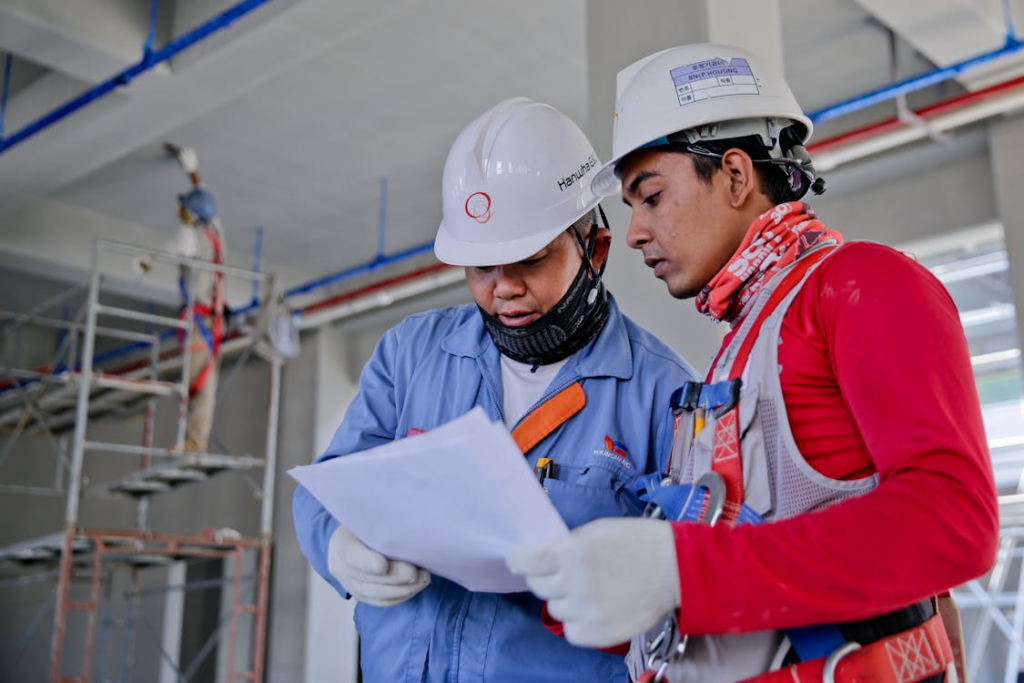
A Project Manager in construction owns the result. That includes scope, cost, schedule, quality, and risk. If the client raises a variation claim, if procurement delays hit the critical path, or if the project misses a contractual milestone, the Project Manager answers for it.
They are responsible for the commercial health of the job. That means managing budgets, forecasting costs to complete, negotiating change orders, and aligning subcontractors and suppliers. They also lead stakeholder communication, which includes reporting to executives, investors, and client-side project sponsors. Large capital projects often run significantly over schedule and over budget. You don’t want to risk clientele because of the lack of project leadership and cost control.
In simplest terms, the Project Manager drives decisions. Most of them approve revised schedules in Primavera P6, and they review earned value reports. They sign off on risk registers and mitigation plans. They also decide whether to accelerate work, resequence trades, or escalate a contractual dispute. The project manager steers the job.
When offshore engineering support teams are involved, the Project Manager also ensures integration. They set reporting standards, define escalation paths, and make sure remote teams align with local codes and client expectations. Ownership does not shift just because execution is distributed.
Project Coordinator: Operational Control and Information Flow
While the project manager steers the vehicle, a Project Coordinator makes sure the engine is running.
They do not own the commercial outcome, but they control the flow of information that allows the Project Manager to make informed decisions.
On a typical construction project, this means maintaining document control across platforms like Procore or Autodesk Construction Cloud. It means tracking RFIs, logging drawing revisions, updating procurement trackers, and preparing weekly progress reports. It means making sure the issued construction drawings are actually the latest approved set.
In modern builds, this is not just the basic admin work. Documentation errors can lead to rework, disputes, and delayed claims. With global construction output expected to expand significantly through 2030, project complexity is increasing, meaning more stakeholders, more compliance layers, and more data overall.
In offshore delivery models, Project Coordinators based in the Philippines often handle overnight reporting for Western markets. These professionals update dashboards, reconcile progress data, and prepare meeting packs before the onshore team logs in. They create continuity across time zones, but they do not make commercial calls. They simply support them.
Where Companies Get It Wrong
The confusion usually happens when boundaries are blurred. A Project Coordinator may be asked to manage subcontractor performance without formal authority. Or a Project Manager may get pulled into chasing drawing revisions instead of focusing on risk and cost exposure.
Research from the Project Management Institute shows that organizations that do not treat project management as a strategic capability experience significantly higher levels of wasted investment.
In engineering and construction, that waste shows up as claims, delays, and strained client relationships.
In offshore-supported engineering teams, unclear role definition can also create governance gaps. If no one formally owns risk decisions, accountability becomes shared in theory and absent in practice.
That is when issues escalate quietly until they are expensive to fix.
Governance in 2026
This year, engineering and construction projects are becoming more data-driven. Digital twins, integrated reporting dashboards, and ESG compliance tracking are now common across infrastructure and commercial builds. The volume of information has increased, and so has the speed of decision-making.
In this environment, the Project Coordinator ensures clean, reliable data. The Project Manager interprets that data and makes decisions that protect cost and schedule. Both roles are essential, but they simply operate at different levels of authority.
For firms with support professionals in the Philippines as part of a global delivery model, the winning formula is clear ownership with structured coordination. Keep strategic control and commercial accountability with the Project Manager. Strengthen execution discipline with a capable Project Coordinator.
In construction, titles are not about hierarchy. They are about risk. Knowing who owns what is one of the simplest ways to protect both.
Bottom Line
Project Coordinators keep projects moving. Project Managers ensure projects succeed.
In the Philippines BPO ecosystem, where global clients depend on disciplined execution across time zones and regulatory environments, that distinction is not cosmetic. It shapes governance, risk exposure, and commercial outcomes.
For outsourcing leaders in 2026, the practical takeaway is straightforward: define ownership early, document it clearly, and align authority with accountability. In a delivery environment where margins are tight and scrutiny is high, clarity is not optional. It is an operational infrastructure.
Tags: Engineering, constructions, project manager, project coordinator, 2026, outsourcing