
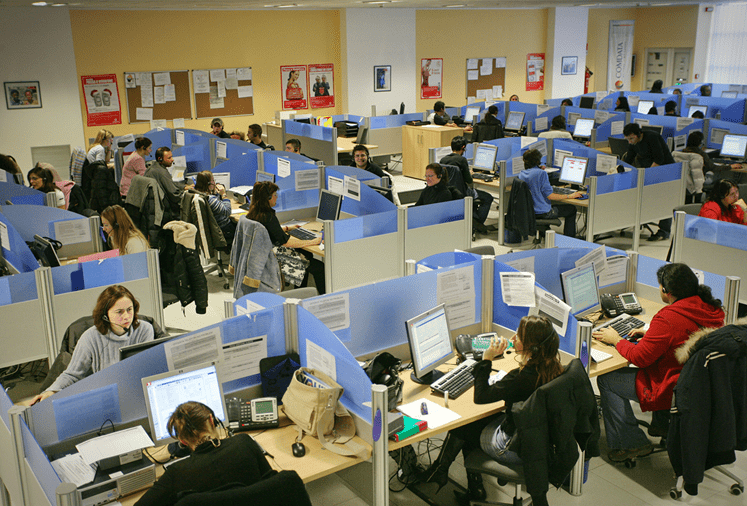
MANILA, Philippines — To widen financial inclusion and reduce reliance on informal lenders, Maya and the IT and Business Process Association of the Philippines (IBPAP) have launched a program that will give nearly 1.9 million Filipino digital workers access to credit cards and other banking services, Manila Standard reports, March 10.
IBPAP President Jack Madrid said improving financial access could help strengthen workforce stability and the long-term competitiveness of the sector.
“Financial resilience is directly linked to workforce stability and industry competitiveness,” Madrid said. “By strengthening access to structured financial tools, we support retention, engagement and long-term economic mobility within one of the country’s most important growth sectors.”
The IT-BPM industry contributes about 8 % of the Philippines’ gross domestic product and generates more than $40 billion in annual revenue, employing a largely young workforce, many of whom are under 35 and digitally adept.
Orlando Vea, founder and group chief executive of Maya, said Filipino digital workers play a key role in handling financial transactions globally but often lack access to formal financial products themselves.
“Millions of Filipino digital workers support customers around the world in managing their financial transactions every day,” Vea said. “Yet many of these same workers have historically had limited access to formal financial tools themselves.”
Vea added that providing savings tools and structured credit can help workers build financial records that enable access to housing, insurance and long-term asset-building opportunities.
Angelo Madrid, president of Maya Bank, said the company aims to extend responsible credit to digital workers who are often considered bankable but remain underserved by traditional financial institutions.
“We want savings tools and responsibly issued credit cards in the hands of every Filipino digital worker who qualifies,” Madrid said. “Responsible credit is not about increasing debt—it is about expanding access to formal financial tools that build stability and long-term opportunity.”
The partnership may also explore improving financial workflows for BPO companies, including payroll, disbursement and reimbursement systems, to reduce operational friction for firms operating across multiple sites and around-the-clock schedules.
Representatives from the Bangko Sentral ng Pilipinas were also present during the initiative’s reaffirmation.
According to the report, the initiative positions financial inclusion as a key support mechanism for the Philippines’ expanding digital workforce while strengthening operational efficiency within the country’s outsourcing sector.