
Courtesy: https://i.guim.co.uk/img/media/d8390a69919bf424e2aa22b7f89df6640337ce1f/382_166_3270_2138/master/3270.jpg?width=700&dpr=2&s=none&crop=none
PARIS — Group of Seven finance ministers met Monday with the International Energy Agency (IEA) to assess emergency options after the U.S.-Israel war with Iran rattled global energy markets and raised fears of a major oil supply shock, March 9, 2026. Officials stopped short of authorizing a coordinated release of strategic oil reserves as leaders weighed whether the conflict would cause a prolonged disruption to crude flows.
Escalating conflict raises supply fears
The talks came after Israeli strikes hit Iranian oil refineries and energy infrastructure in Tehran, and Iran retaliated by targeting energy facilities in Gulf countries, intensifying concern about supply routes across the Middle East. Saudi Arabia intercepted two waves of drones headed toward a major oilfield, according to the report.
The exchange heightened fears that the conflict could expand beyond direct military targets and threaten critical energy infrastructure across the region.
G7 stops short of releasing reserves
No agreement was reached on releasing emergency stockpiles, though the G7 said it stood ready to take necessary measures to support global energy supply. French Finance Minister Roland Lescure said conditions had not yet justified tapping reserves.
IEA Executive Director Fatih Birol said member countries hold more than 1.2 billion barrels of public emergency oil stocks, with another 600 million barrels held by industry under government obligation. He said those supplies could be made available if market conditions deteriorate further.
The last coordinated release of strategic reserves came in 2022 after Russia’s invasion of Ukraine, when IEA countries moved to calm markets hit by a sudden supply shock.
Oil prices swing sharply
Brent crude briefly surged above $119 a barrel in volatile trading before retreating below $90 after signals that the conflict might ease. Analysts said the sharp swing reflected competing fears of a wider regional war and hopes that the fighting could be contained.
Energy analysts said the duration of the conflict will determine whether the oil shock proves temporary or develops into a broader economic threat. Paul Gooden of Ninety One Asset Management said prices could briefly climb to between $120 and $150 a barrel, but sustained prices at that level would likely curb demand and slow consumption.
Strait of Hormuz remains the key risk
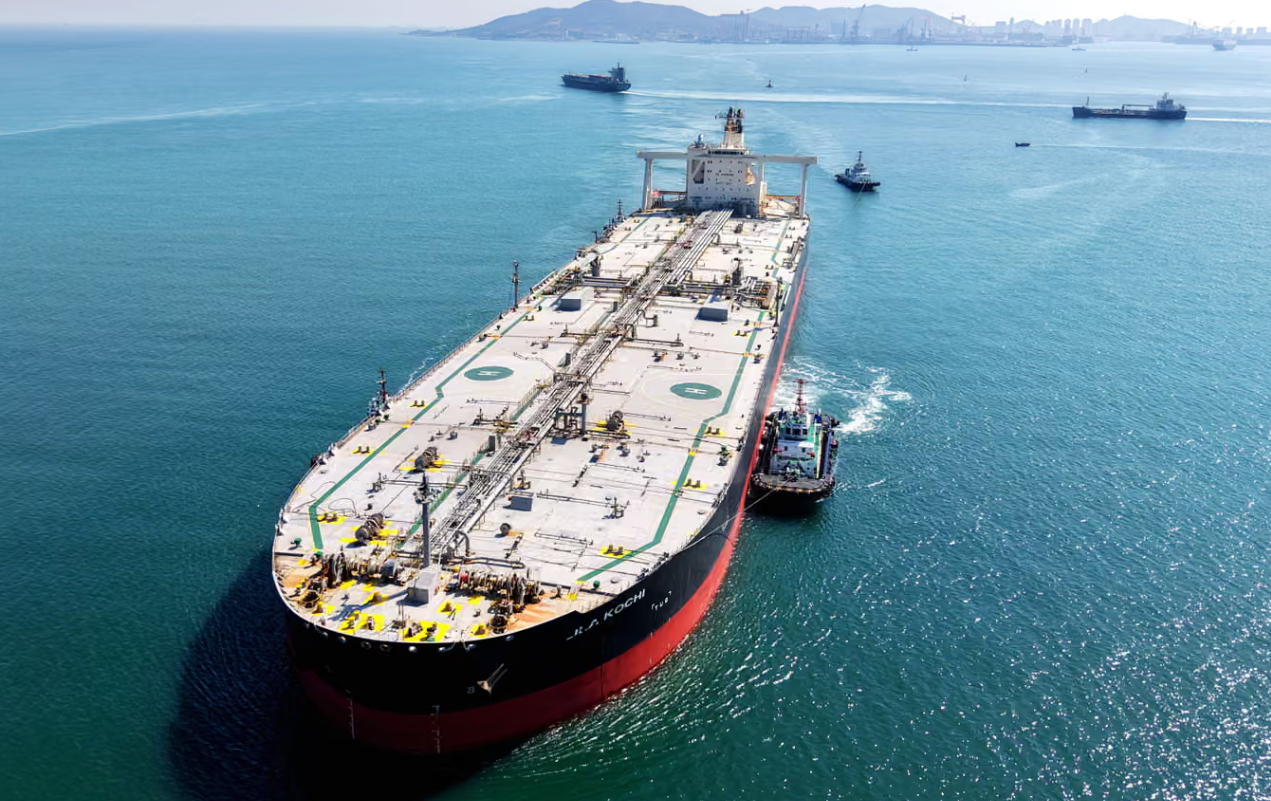
A central concern remains the Strait of Hormuz, the narrow waterway through which roughly one-fifth of the world’s oil supply typically passes. Shipping through the route has slowed sharply since the war began, adding to fears that any sustained disruption could push up fuel costs and reignite inflation globally.
Any long-term interruption in Hormuz traffic would likely deepen supply concerns and increase pressure on governments to intervene.
Gas, inflation, and market fallout
Natural gas markets also reacted sharply. In Britain, wholesale gas prices jumped nearly 25% to 171 pence per therm before easing, though prices remained below the peaks recorded after Russia’s 2022 invasion of Ukraine.
Rising energy costs also renewed concerns about inflation and the path of interest rates. Investors reassessed whether central banks would be able to continue cutting rates if fuel prices remain elevated.
Financial markets swung with energy prices. U.S. stocks recovered from early losses, with the S&P 500 closing up 0.8% and the Dow Jones Industrial Average up 0.5%, while European and Asian indexes ended lower as investors reassessed inflation risks and the outlook for monetary policy.
Uncertainty clouds the outlook
The G7’s decision to hold off on reserve releases signaled caution, but the emergency talks underscored how quickly the conflict has destabilized global energy markets. For now, governments are watching whether the fighting spreads further and whether one of the world’s most important oil corridors can remain open.