
source: https://www.cnbc.com/2026/03/13/mortgage-rates-7-month-high.html
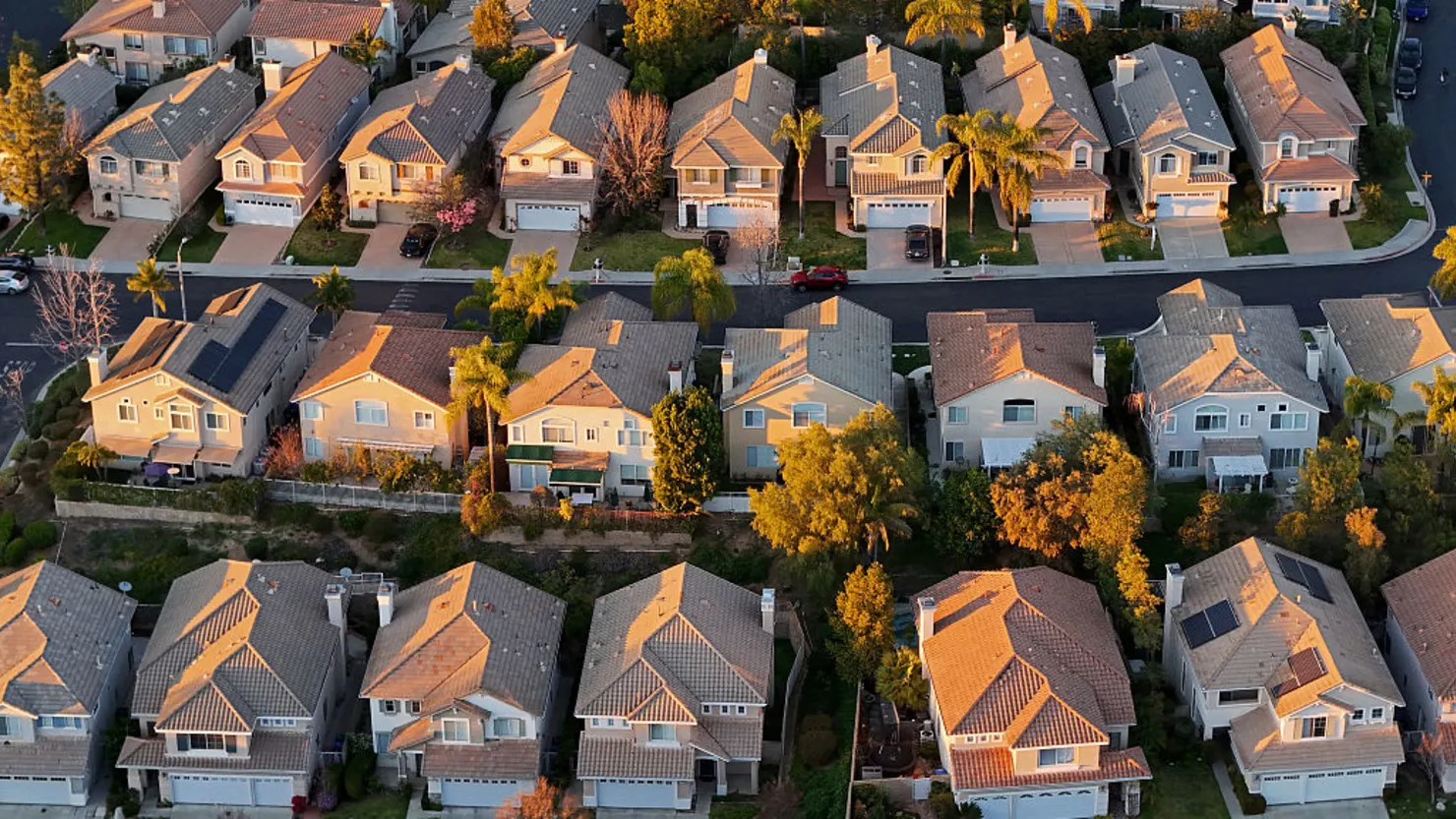
NEW YORK — Mortgage rates climbed to their highest level since September on Friday, threatening to disrupt the spring homebuying season as rising bond yields linked to the war in Iran pushed borrowing costs sharply higher, March 13, 2026.
The average rate for a 30-year fixed mortgage rose to 6.41%, according to Mortgage News Daily, up from 5.99% just two weeks ago. The sudden increase erased much of the affordability relief that had begun to draw buyers back into the housing market.
Mortgage rates generally follow movements in the 10-year U.S. Treasury yield, which has risen in recent days as investors reassessed inflation risks tied to the conflict in Iran. The prospect of higher energy prices and broader geopolitical instability has pushed bond yields higher, even as global uncertainty normally drives investors into government debt.
“This is counterintuitive for those who expect bonds to serve as a safe haven in times of uncertainty, but when war has a direct impact on inflation expectations, it’s more than enough to offset any of the safe haven benefit that might otherwise be seen,” said Matthew Graham, chief operating officer at Mortgage News Daily.
Higher inflation expectations typically push bond yields upward, which in turn raises borrowing costs for mortgages, auto loans and other forms of consumer credit. The latest move highlights how global events can quickly ripple through financial markets and reshape housing affordability.
The jump in mortgage rates comes at a critical moment for the U.S. housing market. Spring is traditionally the busiest homebuying season of the year, when warmer weather and school schedules prompt many families to search for homes.
Mortgage demand had been showing signs of improvement just days earlier. Data from the Mortgage Bankers Association showed mortgage applications increasing last week, suggesting that lower rates earlier this month had begun to revive buyer interest after a prolonged slowdown.
But the recent spike in borrowing costs may slow that momentum.
Housing demand has already been under pressure from elevated home prices, limited housing supply and cautious consumer sentiment. The rise in mortgage rates adds another challenge for buyers struggling with affordability.
Major homebuilders are also warning about the impact of economic uncertainty. Lennar, one of the largest U.S. homebuilders, reported disappointing quarterly results this week and cited several pressures weighing on housing demand.
“High mortgage rates, constrained affordability, cautious consumer sentiment, and geopolitical uncertainty, especially now including the recent conflict in Iran,” said Lennar Co-CEO Stuart Miller, describing the conditions shaping the housing market.
For potential homebuyers, even modest changes in mortgage rates can significantly affect monthly costs.
Consider a home priced at $400,000 — roughly around the national median price. With a 20% down payment, a buyer would take out a $320,000 loan through a 30-year fixed mortgage.
At the current 6.41% rate, the monthly principal-and-interest payment would be about $2,000. Two weeks ago, when mortgage rates were closer to 5.99%, the same loan would have cost roughly $115 less per month.
While that difference may appear small, it can have a meaningful impact on affordability calculations for many households, particularly first-time buyers already stretched by high housing costs.
Mortgage rates remain slightly below the levels seen a year ago, when the average 30-year rate stood at about 6.78%. But the rapid rise over the past two weeks illustrates how quickly conditions in the housing market can shift.
Economists say mortgage rates could remain volatile if geopolitical tensions continue to influence inflation expectations and bond markets.
For now, the latest jump has removed the modest affordability gains that had recently offered hope for buyers entering the spring housing season.
The result is a housing market once again facing a familiar challenge: when mortgage rates move higher, even briefly, the path to homeownership can quickly become more expensive.