
Outsourcing IT Support for Telecoms
When internal tech slows down, telecom execution breaks with it.
Telecommunications companies run on speed, uptime, and coordination. Internal teams depend on working devices, clean access control, stable business systems, and fast support response to keep service, operations, and customer-facing work on track.
When IT support starts lagging, the damage spreads quickly. Tickets sit longer, user downtime increases, onboarding slows, and internal teams lose time chasing fixes instead of doing the work that moves the business forward. That is why outsourcing IT Support makes sense. It gives telecom companies a stronger support layer for day-to-day technical operations without draining internal engineering or infrastructure teams.
What Is IT Support?
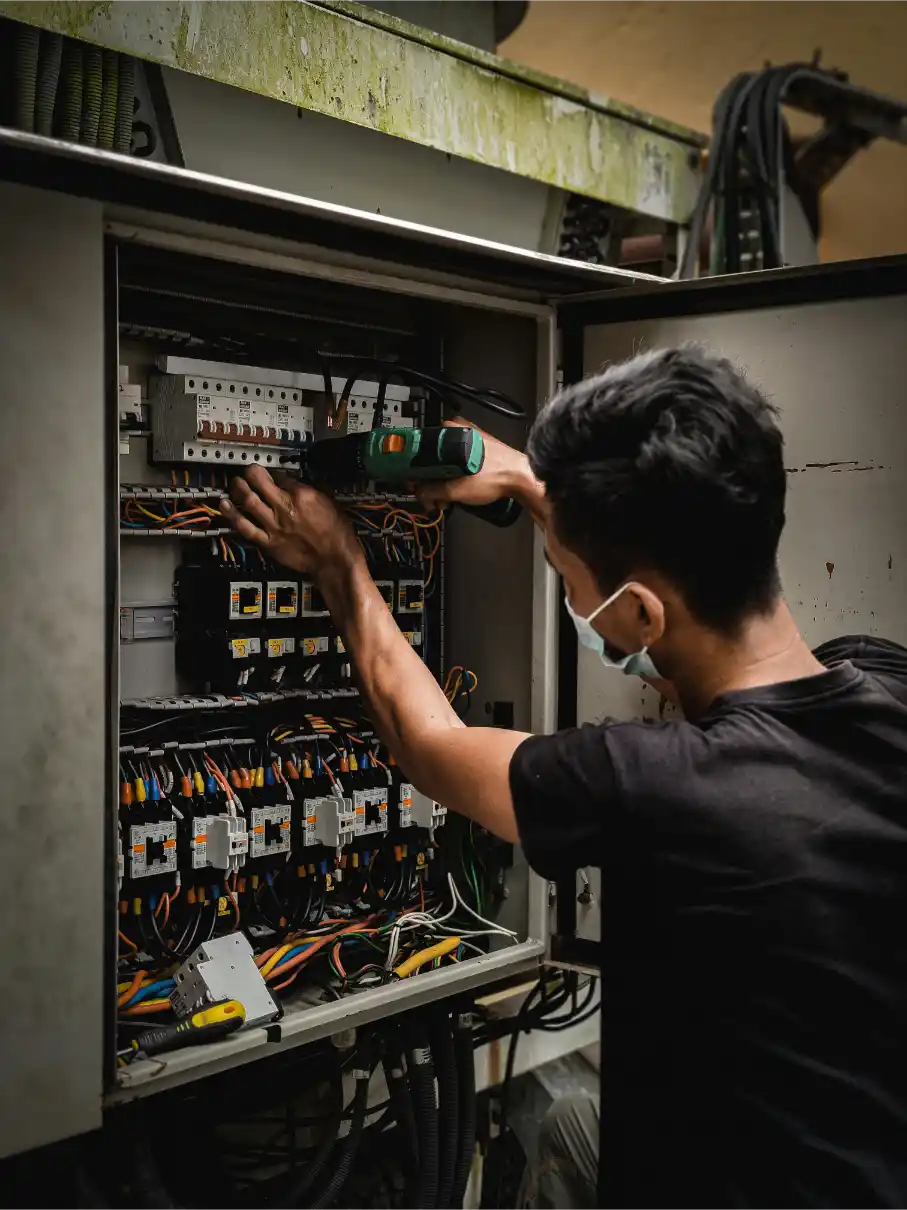
IT Support in telecommunications handles the first-line technical work that keeps internal users, devices, systems, and business applications running properly. The role helps telecom companies reduce downtime, manage support demand, and keep internal operations stable.
Core Services:
IT Support handles routine technical execution and user support. It does not replace network engineering, infrastructure design, cybersecurity leadership, or enterprise systems ownership.
Common IT Support Services to Outsource
Outsourced IT Support helps telecommunications companies manage technical demand with more consistency across users, devices, and internal platforms.
Help Desk Coverage
Handle first-line user issues such as login problems, software errors, connectivity concerns, password resets, and routine troubleshooting across daily operations.
Access Control
Manage account setup, permission changes, user provisioning, offboarding requests, and access-related follow-ups within approved internal controls.
Device Support
Support laptop setup, desktop issues, peripherals, mobile devices, and hardware coordination for office-based and distributed telecom teams.
Ticket Operations
Log, categorize, route, and track support requests to keep service desk workflows clean, visible, and moving within SLA targets.
Application Support
Resolve common issues involving CRM platforms, billing systems, productivity tools, internal dashboards, and other business-critical applications.
Why Businesses Outsource IT Support to the Philippines
Deep Support Talent
The Philippines has a strong base of IT support professionals trained in help desk delivery, user support, incident handling, and service desk operations.
Mature Service Delivery
The country has long supported global technical support programs with structured workflows, SLA discipline, and high-volume support environments.
Strong Communication
Clear English communication improves troubleshooting, ticket documentation, escalation notes, and end-user support across business functions.
Process Discipline
Philippine teams are well suited for repeatable support work that depends on documentation accuracy, ticket hygiene, escalation control, and response consistency.
Flexible Coverage
Telecom companies can extend support across shifts, queue spikes, onboarding waves, and rollout periods without overloading core internal teams.
How Businesses Outsource IT Support
Clean Up Workflow
Define the support model first. Clarify which systems are covered, what first-line support owns, where tickets escalate, how approvals work, and which issues stay with internal specialists.
Assign Tasks
Move repeatable support work offshore, including help desk handling, access requests, account setup, ticket updates, device troubleshooting, and routine application support.
Set Reporting
Track ticket backlog, first response time, resolution time, SLA performance, repeat incidents, escalation rate, access turnaround, and user downtime trends.
Add QA
Use ticket audits, troubleshooting reviews, escalation checks, documentation reviews, and response quality monitoring to keep support sharp and dependable.
Common Mistakes to Avoid
IT support outsourcing fails when companies treat it like generic admin work. Telecom environments need clear scope, fast routing, and disciplined support ownership. Common Mistakes To Watch Out For:
- Unclear support boundaries
- Weak ticket routing
- Poor escalation logic
- Slow user follow-up
- Incomplete access controls
- Inconsistent documentation
Signs You Need IT Support
If you see these signals, outsourcing this role usually makes sense:
- Ticket queues keep growing
- User downtime is increasing
- Access requests move too slowly
- Internal IT is stretched thin
- Device issues disrupt work
- Support quality is inconsistent
Where to Get Trusted Outsourcing Insights and Provider Options
Outsourcing IT support in telecommunications takes more than adding extra hands to the help desk. You need providers that can work inside structured support environments, follow escalation rules, protect service quality, and handle recurring technical demand without creating more operational drag.
BPOInsider serves as a leading insights hub and directory for businesses exploring the idea of outsourcing, covering:
- IT support models
- Philippines provider comparisons
- Vendor evaluation factors
- Telecom operations trends
BPOInsider also features the latest news and developments on matters affecting BPO and outsourcing.
If you’re exploring outsourcing for IT support or broader telecommunications operations, BPOInsider helps you compare providers more clearly, spot teams with stronger service desk discipline, and build support coverage.
Know the Numbers Before You Outsource
Estimate your monthly team cost and potential savings based on role mix, coverage hours, and skill level required.
Ready to transform your operations?
We’ll connect you with vetted BPO partners that fit your exact needs. Plus, get exclusive BPOInsider insights to help you outsource with confidence.
-
Free, independent quotes
-
Expert teams across 100+ roles
-
Clear comparison on scope, cost, and coverage
100% Free & No Obligation